No Results Found
The page you requested could not be found. Try refining your search, or use the navigation above to locate the post.


Stepping into the so-called ‘stretch zone’, an area beyond our comfort zones, is key to fostering personal growth and self-betterment. But venturing into the unknown, while uncomfortable, is how we learn and grow.
While the comfort zone represents familiarity and security, the stretch zone is where we push ourselves beyond our limits and embrace the unknown.
The Difference Between the Comfort Zone and the Stretch Zone
The comfort zone is a place where we feel safe and at ease. It’s all about sticking to what we know best, those habits and spaces where we feel bold and at ease.
However, staying within the comfort zone for too long can lead to stagnation and prevent personal growth.
But the stretch zone, that’s where we dive into fresh experiences, push our limits and dare to take risks. But pushing ourselves outside our comfort zone is how we grow.
Why Stepping Out of Your Comfort Zone is Important for Personal Growth
Getting out of your usual range of familiarity is vital to personal growth, as it allows you to challenge your own limits and find the full extent of what you can do.
Diving into the unexplored, you’re not only testing your limits but also ramping up self-assurance, acquiring new abilities and expanding your perspective.
It is in the stretch zone where you can learn from failure, overcome obstacles, and cultivate resilience. Getting out of your comfortable routine separates willful walls, yet it can likewise lead you to find new interests and passions.
Overcoming Fear and Resistance in the Stretch Zone
Fear and resistance often accompany stepping out of the comfort zone. The fear of failure, rejection, or the unknown can be paralyzing.
But let’s not forget, feeling scared is just a natural part of diving into something new and unknown.
But you must flip the script and see challenges as chances to grow. But when you face challenges, see them as chances to grow.
Hold onto the idea that with some grit and a whole lot of elbow grease, you can mold your smarts and skills into something more.
To find your stretch zone, push yourself out of your comfort zone bit by bit instead of taking a huge leap.
But figuring out where you thrive takes knowing yourself and looking inward. Think about the parts of your life where you’re at ease and feel like you’ve nailed it.
These are the zones where you’re kicking back, in your element and totally owning it. Then, identify areas where you feel a sense of curiosity, excitement, but also some discomfort.
These are the exhilarating, yet slightly daunting boundaries where your comfort zone starts to stretch. Pay attention to situations or activities that make you feel slightly uncomfortable but pick your interest.
This recommends that you’re getting out of your usual range of familiarity, introducing an ideal chance for more profound learning.
Strategies for Embracing the Stretch Zone
Embracing the stretch zone requires a proactive mindset and deliberate action. Here are some strategies to help you navigate and embrace the stretch zone:
Start with small steps: Begin by taking small, manageable steps outside of your comfort zone. Gradually increase the level of challenge as you gain confidence and experience.
Set goals: Establish clear goals and objectives that align with your desired growth. Being crystal clear on your goals can nudge you to take bold strides outside what’s familiar.
Seek support: Surround yourself with a supportive network of friends, mentors, or coaches who can provide guidance, encouragement, and accountability.
Embrace failure as a learning opportunity: Accept that failure is a natural part of the learning process. See every stumble not as a defeat, but rather as a chance to learn and come back stronger.
Practice self-compassion: Be kind to yourself and acknowledge that stepping out of your comfort zone can be challenging. Give yourself a pat on the back for every small win and view any hiccups as stepping stones towards personal growth.
The Advantages of Stepping into Your Personal Development Area
But pushing your limits allows you to grow personally and get lots of rewards. However, stretching yourself pushes you to develop and brings beneficial things.
Help your edge by getting new capacities and ability that could energize both your own journey and professional path.
Enhancing your self-confidence and esteem hinges on demonstrating to yourself that you have the chops to face challenges bravely and emerge victorious.
Elevate your self-assurance by pushing past your comfort zone, this will set you up to smoothly take on new hurdles in the future.
Build up your bounce-back ability and flexibility, they’re key traits for dealing with the unpredictable twists and turns of life.
Find those undiscovered abilities and interests that could fill your existence with a feeling of importance and course.
Examples of Successful Individuals Who Have Mastered the Stretch Zone
Many successful individuals have attributed their achievements to embracing the stretch zone. Just like Oprah, Elon Musk of Tesla and SpaceX fame isn’t shy about stepping out of his comfort zone as he forges new paths in the realms of technology and cosmic exploration.
Busting through her uncertainties, Oprah fearlessly blazed a new path in media by establishing her own production company and TV network. But risking failure by attempting new things can prompt unbelievable.
But pushing yourself outside your comfort zone is how you grow.
But stretching yourself requires a growth mindset. A fixed mindset, where individuals believe that their abilities are fixed and cannot be developed, can hinder personal growth.
On the other hand, a growth mindset, where individuals believe in their potential to develop and improve, is essential for embracing the stretch zone.
When you nurture a growth mindset, it lets you face hurdles with optimism, see hiccups as lessons, and keep going even when things get tough.
Wrapping up, it’s common for fans to judge film adaptations of beloved books by how well they align with the vivid mental pictures formed during reading.
Pushing yourself beyond your comfort boundaries, diving into the unexplored stretch zone, is like embarking on a personal transformation voyage that sparks growth and fulfillment.
When you take on challenges and push beyond your usual limits, it’s like hitting the refresh button on your abilities, expanding what feels comfortable, and digging up potential that was hidden away.
Remember, real growth blooms from stepping beyond your comfort zone; it’s in facing trials and tribulations where you truly thrive.
So, dive in headfirst, embrace the challenge zone and start your voyage towards a world full of endless prospects.
Call To Action: Are you ready to step out of your comfort zone and embrace the stretch zone? Start by identifying one small step you can take today.
Step outside your comfort zone. Get set, because your journey towards personal evolution starts right now.
 Dehydration The Silent Killer That’s Costing You Your Health
 Exploring Unique and Intriguing Varieties of Black Tea
 Sustainable Eating: How To Make A Positive Impact On The Planet
 Discover the Best Natural Remedies for Anxiety and How to Lower Stress
 The Best Whole Foods Vegan Desserts For Health-Conscious Individuals
RELATED POSTS
The page you requested could not be found. Try refining your search, or use the navigation above to locate the post.
FOLLOW DISCOVERY BLOGGER
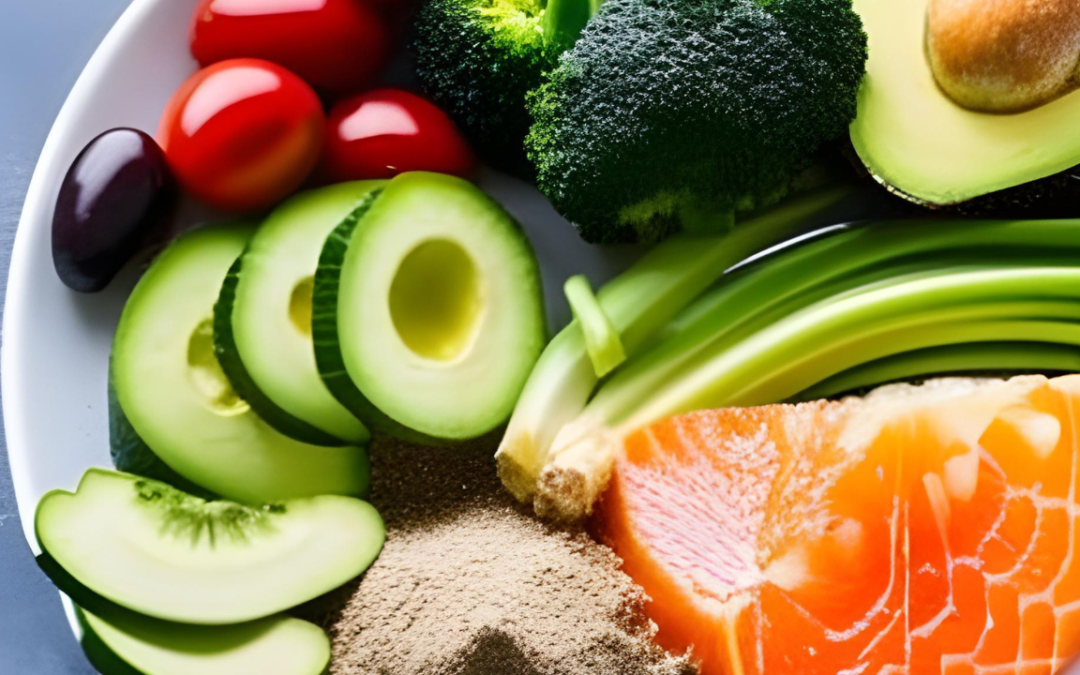
What are nutrient-dense foods?
So, nutrient-dense foods are basically those chock-full of crucial vitamins and minerals but aren’t heavy on the calories. Since nutrient-dense foods sources such as fruits, whole grains, lean protein, and healthy fats are packed in nutrition and have less quantities of calories.
Fruits, veggies, whole grains, lean proteins and healthy fats are the MVPs of a solid diet because they’re loaded with essential nutrients.
Why wouldn’t you want to eat nutrient-dense foods when they’re packed with essential goodies that keep your body ticking, boost your immune system, and even ward off nasty chronic diseases?
Eating foods packed with nutrients is a must if you want your health to be top-notch. However, nutrient-dense foods give the nutrients and minerals your body needs to perform its duties appropriately.
Eating nutrient-rich foods like fruits, whole grains, and veggies isn’t just about weight management – it can also reduce your chances of getting hit with chronic illnesses such as heart disease, diabetes, or even certain cancers.
So, eating nutrient-rich foods that are low in calories can make you feel full and help manage your weight, because you’re getting fewer calories but more nutrients.
Since these foods are low in calories but high in nutrients, they can help you feel satisfied while consuming fewer calories. So eating more of these low-cal, nutrient-dense foods can help you lose or maintain your weight since they fill you up without packing on the calories.
So, chowing down on nutrient-packed foods like fruits, veggies, whole grains, lean proteins and healthy fats can make you feel full without overdoing it on the calories – plus they give your body all those crucial vitamins and minerals it needs.
Fruits, veggies, whole grains, lean protein, and healthy fats are well known to supply the nutrients you really want without being worried of calories increase in the body.
But, man, foods loaded with nutrients give us all the good stuff – vitamins, minerals, antioxidants and phytochemicals we need to stay in tip-top shape. Nutrient-dense foods give your body the vitamins, minerals, and other good stuff it needs to work right.
Also, foods packed with nutrients tend to have a lot of fiber which is super crucial for keeping your digestive system in top shape. Fiber’s a real game-changer – it keeps your bowel movements regular, fends off constipation, and nurtures a healthy gut environment.
Therefore, nutrient-dense foods may help prevent chronic diseases down the road. A whole bunch of these foods are packed with antioxidants, which are like superheroes fighting off the bad guys—those nasty free radicals in your body.
Foods loaded with antioxidants are your shield, they tackle the bad guys—free radicals causing havoc in your body, leading to long-term diseases.
Here are 15 superfoods you should be eating for peak health.
Spinach is a superfood champ, brimming with vitamins A, C, and K as well as essentials like iron and calcium. Spinach is like a superhero among veggies, jam-packed with vital vitamins and minerals.
Blueberries: These tiny berries are bursting with antioxidants, fiber, and vitamins C and K.
Salmon, rich in heart-healthy omega-3s and brain-boosting protein and vitamin D, is like a superfood for your ticker and noggin. Salmon, packed with omega-3s, protein, and vitamin D, is a real brain booster and heart health champ.
Quinoa: Packed with protein, fiber and various minerals, this gluten-free grain serves as a healthy swap for traditional carbs like rice or pasta. Quinoa, a gluten-free grain packed with protein, fiber and various minerals, stands as a healthful swap for your usual rice or pasta.
Almonds: A handful of almonds provides a good dose of healthy fats, fiber, protein, and vitamin E.
Sweet potatoes: These vibrant root vegetables are packed with vitamins A and C, fiber, and antioxidants.
Greek yogurt: Rich in protein and probiotics, Greek yogurt is a nutritious snack that supports gut health.
Broccoli: This cruciferous vegetable is high in vitamins C and K, fiber, and antioxidants.
Chickpeas, just like broccoli, pack a punch with their nutritional benefits – they’re rich in protein and fiber as well as folate. Chickpeas, they’re not just versatile legumes; these little guys are packed with protein, fiber and folate.
Avocados, beyond being heart-friendly due to their monounsaturated fats, also pack a punch with fiber and an array of essential vitamins and minerals. Packed with good-for-your-heart monounsaturated fats, avocados also bring fiber, vitamins and minerals to the table.
Lentils: Packed to the brim with fiber, protein, and iron, lentils are a powerhouse of nutrition that can give any soup, stew or salad an extra healthy punch. Loaded with fiber, protein, and iron, lentils can seriously boost the health factor of your stews, soups or salads.
Oranges: Bursting with vitamin C, oranges are also a good source of fiber and antioxidants.
Chia seeds: These little powerhouses are jam-packed with omega-3 fatty acids, fiber, and antioxidants. Chia seeds pack a nutritional punch despite their tiny size.
Kale: Another nutrient-dense leafy green, kale is abundant in vitamins A, C, and K, as well as calcium and antioxidants.
Tomatoes, right? Packed with lycopene – a hardcore antioxidant, plus vitamins A and C to boot. These juicy fruits, loaded with the fierce antioxidant lycopene and packed to the brim with vitamins A and C, seriously kick up your nutrition game.
Slip nutrient-packed foods into your daily grub for a health boost without making meal prep feel like rocket science.
Getting nutrient-rich foods into your meals isn’t a tough task, it’s as simple as pie. Start by planning your meals around whole, unprocessed foods. In your meals, be sure to mix it up with a colorful range of fruits and veggies, wholesome grains like quinoa or brown rice, lean meats such as chicken or fish for protein, and don’t forget those healthy fats like avocados.
For a nutrient-packed meal, why not toss some spinach or kale into your salads and stir-fries? Replace refined grains with whole grains like quinoa, brown rice, or whole-wheat bread. Include a serving of lean protein, such as salmon, chicken breast, or tofu, in your main meals.
Remember to toss in good-for-you fats like avocados, nuts, and a drizzle of olive oil into your eating routine. Not just adding a tasty twist to your dishes, these fats also let your body effectively take in vitamins that need fat to be absorbed.
When you’re hustling between classes, grab a power-packed snack like almonds or Greek yogurt with berries to fuel your body.
When you’re hustling and need a healthy pick-me-up, choose snacks packed with nutrients. Grabbing a handful of something like almonds or walnuts gives you that hit of healthy fats and protein to keep you going. A bowl of Greek yogurt, jazzed up with a handful of berries and a dash of chia seeds, packs a punch as an incredibly tasty and nutrient-rich snack.
Here are some quick and easy snacks you can grab on the go: carrot sticks and hummus, apple slices with nut butter, or homemade trail mix. Choosing snacks like carrot sticks with hummus or trail mix with dried fruit provides you the energy to keep going all day while fitting in your backpack.
Nutrient-dense foods for specific health concerns
Certain nutrient-dense foods can be particularly beneficial for specific health concerns. Eating stuff like salmon, chia seeds, and walnuts is a smart move because they’re loaded with omega-3s that give your heart health a major boost. These wholesome fats are champs at dialing down inflammation and giving your heart health a solid boost.
For those looking to support their immune function, foods rich in vitamin C, such as oranges, strawberries, and bell peppers, can be beneficial. To strengthen the body’s defense against sickness, nutrient-rich produce like citrus fruits, berries, and bell peppers provide immune-fortifying vitamin C.
Whether you’re a lover of veggie or without gluten food, there’s yet an entire host of nutritious food sources out there for you to eat. If you’re vegan, lentils, chickpeas and quinoa pack a serious protein punch; for the gluten-free crowd, quinoa and brown rice are tasty go-tos.
To get the most nutrition, shop the perimeter for fresh produce and lean proteins, choosing organic when possible, and store properly in airtight containers to maximize nutrients.
When you’re on the hunt for nutrient-rich food, always go for fresh and top-notch choices. Look for colorful fruits and vegetables and opt for organic produce whenever possible to minimize exposure to pesticides.
Keeping your nutrient-packed foods fresh and full of goodness is all about smart storage strategies. Keep fruits and vegetables in the refrigerator to maintain freshness. To keep your nuts and seeds fresh, stash them in sealed containers somewhere cool and shadowy – this stops them from spoiling. Keep your grains, like quinoa and brown rice, in sealed containers stashed away in a cool and dry spot.
Nutrient-dense foods on a budget
Eating nutrient-dense foods doesn’t have to break the bank. Even on a tight budget, with some savvy planning and shopping, you can still indulge in a diet that’s both tasty and packed with nutrients. Start by buying seasonal fruits and vegetables, as they are often more affordable and packed with flavor.
Buying bulk bags of rice, oats, nuts, and other staples saves cash in the long run. Buying staples in bulk can save you money over time. But bulk deals, price comparisons between stores, and watching for sales can help you maximize savings on staples. Shopping at farmers’ markets or joining a community-supported agriculture (CSA) program can also be cost-effective ways to access fresh, locally grown produce.
Nutrient-dense recipes for delicious and healthy meals
Incorporating nutrient-dense foods into your meals doesn’t have to be boring or bland. But there are lots of yummy recipes with these healthy foods. Here’s a quick start guide for you:
Whip up a vibrant quinoa and veggie stir-fry, brimming with healthy ingredients. Stir-fry a mix of vibrant veggies like bell peppers, broccoli, and carrots using some olive oil. Add cooked quinoa and season with soy sauce or your favorite spices for a quick and nutritious meal.
Baked salmon with avocado salsa: Season salmon fillets with salt, pepper, and your favorite herbs. Bake in the oven until cooked through. Serve with a refreshing salsa made from diced avocado, tomatoes, red onion, and lime juice.
Chickpea and vegetable curry: Sauté onions, garlic, and spices in a large pot. Toss in some diced veggies like cauliflower and bell peppers, stir in cooked chickpeas and coconut milk for a rich flavor. Simmer until the vegetables are tender and serve with brown rice or quinoa.
Here’s a snapshot of how packing your meals with nutrient-rich foods can amp up both the flavor and health factor. Experiment in your kitchen with various ingredients and tastes to discover healthful meals that you genuinely enjoy.
How eating foods packed with nutrients can help control your weight.
Looking to maintain a healthy weight? Try adding foods that are high in nutrients but low in calories into your meal plan. Lean protein, fruits, veggies, and healthy fats pack more nutrients per calorie so you can eat more but keep calories down.
Including lean proteins, fiber-rich fruits and vegetables, and healthy fats in your meals can help you feel satisfied and prevent overeating. Proteins, fruits and veggies, along with healthy fats are your daily power boosters.
Remember that weight management is not just about the types of foods you eat, but also about portion sizes and overall calorie intake. But you’ve to tune in to when your body says it’s hungry or full and eat mindfully.
Omega-3s, antioxidants, B12, and vitamin D support brain health.
Consequently, to take advantage of life, we really have to feed our bodies and brains with nutritious food sources. Brain-boosting foods packed with omega-3s, antioxidants, and vitamins B12 and D – like fatty fish or walnuts – are key for maintaining mental health.
Salmon, sardines, chia seeds and walnuts are packed with omega-3 fatty acids – key for brain health, fighting off depression and slowing cognitive decline.
Blueberries, dark chocolate, and green tea, loaded with antioxidants, are like your brain’s best friends – they battle damaging inflammation and oxidative stress to sharpen your thinking and lift your mood.
Eggs, dairy, and lean meats are packed with Vitamin B12 which is key for keeping our brains ticking and balancing our moods by producing necessary neurotransmitters.
Getting enough vitamin D from sunlight or fortified foods helps your brain work properly. When your vitamin D levels dip, it can hike up your chances of feeling down and messing with your brain power.
However, foods rich in omega-3s, fiber, antioxidants, and potassium are particularly good for your heart.
To stay fit and well, it’s key to keep your ticker in top shape, and chowing down on nutrient-packed foods can really give your heart the boost it needs. But foods with omega-3s, fiber, antioxidants, and potassium help your heart the most.
So, stuff like fatty fish—think salmon or mackerel—and even chia seeds and walnuts are packed with omega-3s that can help keep your heart ticking right by chilling out inflammation and sorting out your cholesterol levels.
Chowing down on fiber-rich treats, for example whole grains, fruits, veggies and vegetables helps hold your weight under tight restraints as well as manages your cholesterol and glucose levels.
Foods loaded with antioxidants, think berries, dark chocolate and greens, are like your body’s personal defenders—they fight off harmful inflammation and oxidative stress to keep heart disease at bay.
Eating leafy greens, bananas, and sweet potatoes—foods packed with potassium—can give you a hand in bringing down your blood pressure and cutting down the chances of stroke.
Nutrient-dense foods for boosting immune function.
A strong immune system is crucial for defending against infections and maintaining good health. Foods packed with vitamins C, D, and E, zinc, and probiotics are your immune system’s best friends because they’re super rich in nutrients.
So, you know how vitamin C in stuff like citrus fruits, berries and bell peppers gives your immune system a serious lift and helps you battle common sicknesses?
Soaking up some sun and munching on fortified foods lets you get vitamin D, a real game-changer for your immune system. But if your vitamin D levels drop excessively low, it can debilitate your immune system and make you more defenceless against diseases.
Vitamin E, you’ll get it from nuts, seeds, and veggie oils – it’s a heavy-duty antioxidant that shields our immune cells from harm caused by oxidation.
Garbanzo beans, chicken breast, and cashews provide the zinc your body needs to keep your immune system strong.
You know, foods like yogurt, sauerkraut and kimchi that are fermented have these things called probiotics.
Plus, probiotics from fermented food sources can really help with keeping your gut healthy, which is needed for a good immune system.
Equally, you must eat various food sources like organic products, veggies, grains, proteins, and fats so your body gets every one of the nutrients it needs.
Just as it’s crucial to eat foods packed with nutrients, it’s equally vital to mix things up and introduce variety in your diet. To keep your body humming and health on point, mix up what you eat with a rainbow of fruits, grains, veggies along with lean proteins and beneficial fats.
Eating various food sources for example fruits, veggies, grains, proteins, and healthy fats provides your body with the range of nutrients it needs, so stir it up. Within each food group, aim for variety. For example, instead of always eating the same type of fruit, try different varieties like apples, oranges, and berries. Try swapping white rice or plain pasta for brown rice, quinoa, or whole wheat pasta.
Mixing up the colors on your plate is a savvy move to make sure you’re soaking up a spectrum of nutrients. Shooting for a spectrum of hues on your plate, by including various fruits and veggies, can gift you with a rich mix of vitamins, minerals, and antioxidants.
Conclusion: So, just like we savor the vibrant colors in our meals for diverse nutrients, when a riveting book morphs into a movie or storytelling springs to life visually – it’s all about how closely they match up with our imagination. But if you pack your diet with nutrient-rich foods, it’s like a health upgrade – they give your body the essentials to run smoothly and ward off chronic illnesses.
Eating nutrient-dense food varieties like fruits, vegetables, whole grains, lean proteins, and healthy fats gives the fundamental nutrients and minerals your body needs to work appropriately and forestall chronic health ailments. Loading up on fruits, veggies, whole grains, lean meats and good fats is like fueling your body with the premium stuff – it’s how you unlock top performance.
If you zero in on foods packed with nutrients – think fruits, veggies, whole grains, lean meats and good fats – you’ll be giving your body the crucial stuff it needs to hit peak performance. Whether you’re aiming to amp up your heart health, give your immune system a kick, or sharpen your mental focus, packing in nutrient-rich foods is the secret sauce for tapping into your best self.
Call To Action: However, nutrient-dense food varieties such as fruits and veggies that can provide your body what it needs to flourish. Your body’s going to seriously appreciate this healthy shift.
Dehydration The Silent Killer That’s Costing You Your HealthExploring Unique and Intriguing Varieties of Black TeaSustainable Eating: How To Make A Positive Impact On The PlanetDiscover the Best Natural Remedies for Anxiety and How to Lower StressThe Best Whole Foods Vegan Desserts For Health-Conscious IndividualsRELATED POSTS
The page you requested could not be found. Try refining your search, or use the navigation above to locate the post.
FOLLOW DISCOVERY BLOGGER

Okra water has acquired ubiquity lately because of its various medical advantages.
This slimy vegetable, otherwise called lady’s fingers, isn’t just a staple in numerous cooking styles yet in addition a powerhouse to be reckoned on with a lot of nutrients.
In this extensive guide, we will analyze the chronicle, nourishing profile, and potential medical advantages of okra water.
Moreover, we will outfit you with easy to-follow recipes and tips on the most capable strategy to coordinate this sound beverage into your everyday use.
The History and Cultural Significance of Okra Water
Okra, scientifically known as Abelmoschus esculentus, has been grown for a long time and is accepted to have begun in Africa.
It has a rich background and holds cultural importance in different communities all over the globe.
In African and Middle Eastern cuisines, okra is a key ingredient in traditional cuisine like gumbo and bamia.
The vegetable’s utilization in these culinary customs features its adaptability and dietary benefit.
It has a rich history and holds social significance in various cultures all over the globe.
In African and Middle Eastern cooking styles, okra is a critical ingredient in customary food like gumbo and bamia.
The vegetable’s usage in these culinary traditions includes its versatility and dietary advantage.
Nutritional Profile of Okra Water
Okra water is loaded with fundamental nutrients that can add to your general health.
It is a phenomenal wellspring of dietary fiber, which helps stomach related cycle and helps a healthy gut.
Moreover, okra water is plentiful in vitamins such as A, C, and K, as well as minerals can like calcium, magnesium, and potassium.
These nutrients play vital roles in making better the health of bones, helping the immune system, and supporting heart well-being.
Health Benefits of Drinking Okra Water
Drinking okra water can offer an expansive variety of clinical advantages.
The high fiber content in okra water administers glucose levels, making it important for people with diabetes or those in danger of fostering the condition.
Also, the antioxidants present in okra water can assist with reducing inflammation and oxidative stress, which are responsible for sicknesses like heart disease and cancer growth.
Additionally, the L-ascorbic acid in okra water further promotes collagen creation, supporting skin wellbeing and decreasing the signs of aging.
How to Make Okra Water at Home
Making okra water at home is a basic and financially low-cost method for partaking in its dietary advantages.
To plan okra water, begin by washing and cut up fresh okra into thin cuts.
Then, place the okra cuts in a container and fill it with filtered water.
Permit the blend to sit for the whole night, or for something like 8 hours, to permit the nutrients to infuse into the water.
At last, strain the blend and dispose of the okra cuts, leaving behind the rich okra water.
Tips for Incorporating Okra Water into Your Daily Routine
Integrating okra water into your day to day schedule can be a breeze with a couple of easy to follow tips.
You, first and foremost, can begin your day by drinking a glass of okra water on an empty stomach to start your digestive system and hydrate yourself.
On the other hand, you can add okra water to your best smoothie or juice recipes for an extra healthful lift.
Besides, you can utilize okra water as a base for soups or stews to upgrade the flavor and nutrient content of your dishes.
Try different things with various approaches to including okra water into your meals to find what turns out best for you.
Potential Side Effects and Precautions of Consuming Okra Water
While okra water is normally safe for consumption, it is critical to know about expected secondary effects and avoid potential risk.
A few people might encounter gastrointestinal distress, for example, bloating or gas, while drinking off okra water because of its high fiber content.
Assuming you have a background marked by kidney stones, it is prudent to talk with a medical care proficient before consistently drinking okra water, as it contains oxalates that can add to stone development.
At last, pregnant or breastfeeding women ought to practice alert and consult their medical care supplier prior to integrating okra water into their eating routine.
Okra Water Recipes and Creative Ways to Enjoy It
There are incalculable inventive ways of benefiting from okra water past the customary technique.
For an invigorating turn, try mixing okra water with cuts of lemon or cucumber.
You can likewise explore different avenues regarding adding spices like mint or basil to improve the flavor.
Another choice is to freeze okra water into ice cubes and add them to your best refreshments for a nutritious and cooling impact.
If you like a warm refreshment, attempt warming up okra water and adding a hint of honey or a sprinkle of cinnamon for an appeasing and delightful beverage.
Frequently Asked Questions about Okra Water
Is okra water safe and sound for children to use?
Okra water is for the most part ok for children to use, yet it’s in every case best to talk with a pediatrician prior to bringing it into their eating regimen.
Can I store okra water for a long period?
It is suggested to drink okra water in under 2-3 days after preparation for ideal freshness and nutrient content.
Can okra water assist with weight reduction?
While okra water is not a supernatural weight reduction arrangement, its high fiber content can advance sensations of completion and backing a solid weight control plan.
Conclusion and Final Thoughts on Harnessing the Benefits of Okra Water
With everything considered, okra water is nutritional powerhouse that offers a broad variety of clinical benefits.
From its rich history and cultural significance to its astounding sustaining profile, this slimy vegetable offers a great deal that might be of some value.
By coordinating okra water into your diet plan, you can help your overall health and wellbeing.
Try to investigate various ways regarding different recipes and procedures for availability to find what ends up being best for you.
Call To Action: Try incorporating okra water into your daily routine and experience the health benefits for yourself. Cheers to a healthier you!
Dehydration The Silent Killer That’s Costing You Your HealthExploring Unique and Intriguing Varieties of Black TeaSustainable Eating: How To Make A Positive Impact On The PlanetDiscover the Best Natural Remedies for Anxiety and How to Lower StressThe Best Whole Foods Vegan Desserts For Health-Conscious IndividualsRELATED POSTS
The page you requested could not be found. Try refining your search, or use the navigation above to locate the post.
FOLLOW DISCOVERY BLOGGER

The SI joint, or sacroiliac joint, plays a vital part in interfacing the sacrum to the pelvis.
It is answerable for sending forces between the upper and lower body and giving security during different movements.
At the point when the SI joint becomes debilitated, it can prompt agony and distress in the lower back and hips.
In this article, we will share some of the best exercises you can apply to strengthen and stabilize out your SI joint, permitting you to reduce pain and ameliorate on your general movement.
Understanding the SI Joint and its Importance
The SI joint is a very strong, weight-bearing joint that is so essential for stability and movement.
It joins the sacrum, which is the triangular bone at the lower part of the spine, to the ilium, which is a part of the pelvis.
The joint is surrounded by ligaments that offer help and assist with soaking up
shock during exercises like strolling, running, and jumping.
At the point when the SI joint becomes inflamed or irritated, it can prompt agony in the lower back, buttocks, and hips.
This aggravation might deteriorate with exercises that include, twisting, bending, or lifting weighty articles.
Understanding the importance of the SI joint and its part in the body can be of service to better value the requirement for exercises to strengthen and stabilize SI joint area.
Common Causes and Symptoms of SI Joint Pain
SI joint pain can be caused by a variety of factors, including trauma, pregnancy, arthritis, and repetitive stress.
Some common symptoms of SI joint dysfunction include:
Pain in the lower back, buttocks, and hips.
Pain that radiates down the back of the thigh.
Pain that worsens with certain movements, such as standing up from a seated position or climbing stairs.
Stiffness and limited range of motion in the lower back and hips.
A sensation of instability or weakness in the pelvis.
It is critical to talk with a medical care proficient to precisely analyze the reason for your SI joint agony and foster a suitable treatment plan based on your needs.
Sometimes, exercises can be a compelling and moderate way to deal with SI joint agony.
Benefits of Exercises for SI Joint Pain
Partaking in all around organized exercises to support and adjust your SI joint can offer different benefits. These activities can:
Work on the stability and capacity to move the SI joint, diminishing the gamble of torment and injury.
Reinforce the muscles encompassing the SI joint, offering extra help and security.
Upgrade general posture and alignment, decreasing stress on the SI joint.
Increase flexibility and range of motion in the lower back and hips.
Encourage better body mechanics during everyday exercises, to bring down the peril of SI joint pain frequency.
By embodying designated practices into your daily schedule, you can engage yourself to play a functioning role in dealing with your SI joint well-being.
Precautions Before Starting an Exercise Routine for SI Joint Pain
Prior to beginning any work-out daily schedule for SI joint pain, it means quite a bit to play it safe to guarantee your well-being and boost the advantages of the exercises.
These safety measures include:
Talking with a medical care proficient to guarantee that exercise is ok for your particular condition.
Starting with gentle exercises and gradually increasing intensity and duration as tolerated.
Listening to your body and avoiding exercises that cause pain or discomfort.
Utilizing the right structure and strategy during exercises to avoid injury.
Taking breaks and resting when necessary to avoid overexertion.
By applying these safety measures, you can keep under control the possibilities of increasing your SI joint misery and improve the advancement of your work-out everyday practice.
Stretching Exercises for SI Joint Pain Relief
Stretching exercises can help alleviate tension and tightness in the muscles surrounding the SI joint, providing relief from pain and discomfort.
Here are some effective stretching exercises for SI joint pain relief:
Child’s Pose: Start on all fours, then sit back onto your heels while reaching your arms forward. Rest your forehead on the mat and hold the position for 30 seconds to 1 minute.
Piriformis Stretch: Lie on your back with your knees bent. Cross one ankle over the opposite knee and gently pull the knee towards your chest until you feel a stretch in your buttocks. Hold for 30 seconds on each side.
Hip Flexor Stretch: Kneel on one knee, with the other foot established solidly in front of you. Incline forward, maintaining your back straight, until you feel a stretch toward in the front of your hip. Hold for 30 seconds on each side.
Amalgamating these stretching exercises into your routine can assist with revamp adaptability and assuage strain in the SI joint region.
Strengthening Exercises for the SI Joint
Strengthening exercises are very important for aiding stability to the SI joint and preventing pain and dysfunction.
Here are some effective strengthening exercises for the SI joint:
Bridges: Lie on your back with your knees bent and feet flat on the floor. Lift your hips off the ground, compressing your glutes and engaging your core.
Clasp a few seconds, then lower back down. Perform again for 10-15 repetitions.
Clamshells: Lie on your side with your knees bent and feet together. Keeping your feet touching, lift your top knee as high as you can without rotating your hips.
Lower back down and repeat for 10-15 repetitions on each side.
Superman: Lie on your stomach with your arms extended in front of you. Lift your arms, chest, and legs off the ground simultaneously, engaging your back muscles.
Hold for a few seconds, then lower back down. Repeat for 10-15 repetitions.
Including these fortifying activities into your routine can assist with working on the firmness and backing of your SI joint.
Stability Exercises for the SI Joint
Steadiness exercises center around working on the control and coordination of the muscles encompassing the SI joint, assisting with keeping up with appropriate arrangement and forestall torment.
Here are some compelling steadiness exercises for the SI joint:
Single Leg Balance: Stand on one leg, drawing in your core and keeping your hips level. Stand firm on the foothold for 30 seconds to 1 moment, then change to the next leg.
Plank: Begin in a push-up position, with your hands straightforwardly under your shoulders and your body in an orderly way from head to toe.
Stand firm on the foothold for 30 seconds to 1 moment, connecting with your core and glutes.
Side Plank: Lie on your side with your lower arm on the ground, elbow straightforwardly under your shoulder.
Lift your hips off the ground, making a straight line from head to toe. Hold the position for 30 seconds to 1 minute on each side.
Embody these solidity exercises into your routine can assist with working on the control and coordination of the muscles supporting the SI joint.
Incorporating Core Exercises for Overall SI Joint Stability
A solid core is fundamental for giving general dependability and backing to the SI joint. Here are some compelling core activities that can assist with further developing SI joint strength:
Dead Bug: Lie on your back with your arms stretched out towards the roof and your knees twisted at a 90-degree point.
Gradually lower one arm and the contrary leg towards the ground, keeping your core drew in and your back squeezed into the mat.
Get back to the beginning position and rehash on the opposite side. Substitute for 10-15 iteration on each side.
Bird Dog: Begin with each of the fours, with your hands straightforwardly under your shoulders and your knees under your hips.
Gradually broaden one arm and the contrary leg, keeping your core connected with and your back in a impartial position.
Hold for a couple of moments, then return to the beginning position and perform again on the opposite side. Substitute for 10-15 reiteration on each side.
Russian Twist: Sit on the ground with your knees twisted and your feet level on the floor.
Recline somewhat, captivating your core, and lift your feet off the ground. Bend your middle from one side to another, contacting the ground on each side. Redo for 10-15 reiterations on each side.
Adding these core activities into your routine can assist with further developing your overall SI joint solidness and forestall torment and debilitation.
Additional Tips for Managing SI Joint Pain through Exercise
Notwithstanding the activities referenced above, here are a few extra ways to oversee SI joint torment through work out:
Warm-up: Continuously start your work-out daily practice with a legitimate get ready to set up your muscles and joints for movement.
This can incorporate light cardio activities like strolling or cycling, as well as unique stretches.
Gradual Progression: Persistently grow the strength, term, and complexity of your exercises over long period of time. This allows your body to adapt and avoid the risk of injury.
Center around any pain or anguish during exercise: Expecting a movement causes pain in your SI joint, change, or avoid it. Finding exercise that work for your body and explicit condition is principal.
Stay Consistent: Consistency is key with regards to overseeing SI joint agony through work out.
Work towards a constant exercise session, regardless of whether you are more limited in time.
This will support with keeping up with the strength and safety of your SI joint.
Seek Professional Guidance: On the off chance that you are uncertain about which activities are reasonable for your condition or on the other hand assuming you want customized direction, consider working with a certified medical service proficient or a certified fitness coach with experience in SI joint pain management.
By following these extra tips, you can streamline the adequacy of your work-out daily exercise and better deal with your SI joint pain.
Conclusion: Empowering Yourself with Exercise for SI Joint Health
Exercises for SI joint agony can be exceptionally gainful in reinforcing and balancing out this vital joint.
By combining stretching, fortifying, steadiness, and core activities into your everyday routine, you can work on the safety, portability, and soundness of your SI joint.
Make sure to avoid potential risk, pay attention to your body, and look for proficient direction if necessary.
With devotion and consistency, you can engage yourself to assume command over your SI joint well-being and partake in a pain-free, dynamic way of life.
Call To Action: Take charge of your SI joint health today by incorporating these exercises into your routine.
Consult with a healthcare professional for personalized guidance and start experiencing the benefits of a strong and stable SI joint.
Don’t let SI joint pain hold you back – strengthen and stabilize your SI joint for a healthier and more active life.
Dehydration The Silent Killer That’s Costing You Your HealthExploring Unique and Intriguing Varieties of Black TeaSustainable Eating: How To Make A Positive Impact On The PlanetDiscover the Best Natural Remedies for Anxiety and How to Lower StressThe Best Whole Foods Vegan Desserts For Health-Conscious IndividualsRELATED POSTS
The page you requested could not be found. Try refining your search, or use the navigation above to locate the post.
FOLLOW DISCOVERY BLOGGER
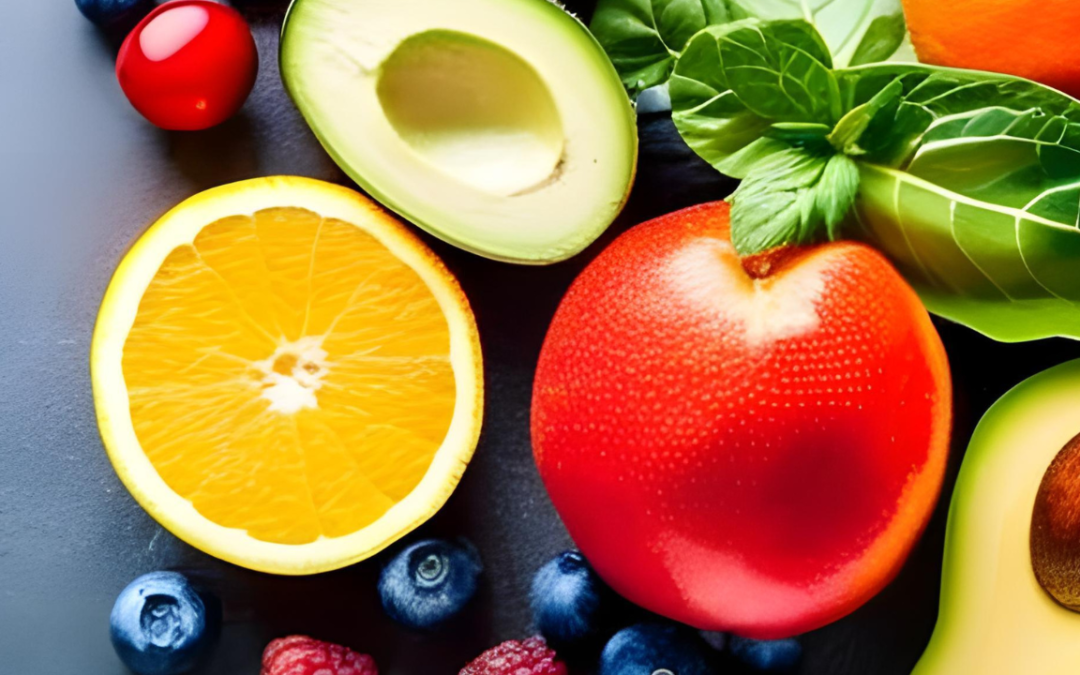
The Best 20 Foods That Are High In Vitamin C
Vitamin C, otherwise called ascorbic acid, is a key nutrient that takes part in a key role in keeping up with our general well-being.
A strong antioxidant that safeguards our cells from harm brought about by free radicals.
Vitamin C is likewise vital for the creation of collagen, a protein that aides in the growth and repair of tissues in our body.
That being said, it makes better the immune system, enables the absorbtion of iron, and encourages healthy skin and heart well-being.
Benefits of Vitamin C for overall health
Eating food sources high in Vitamin C offers various medical advantages. It, first and foremost, fortifies the immune system, which forestalls and fight against common sicknesses, like cold.
Vitamin C is moreover fundamental for the advancement of collagen, which is expected for sound skin, nails, and hair.
It facilitates wound healing and helps the formation of scar tissue. Moreover, Vitamin C goes about as a an antioxidant, safeguarding the body against harm brought about by destructive free radicals.
It additionally assists cardiovascular well-being by lessening the risk of heart disease and improving blood pressure levels.
Recommended daily intake of Vitamin C
The suggested everyday ingestion, of L-ascorbic acid differs relying upon age, orientation, and life stage.
For most grown-ups, the prescribed day to day intake is around 75 to 90 milligrams.
Nonetheless, during pregnancy and lactation, the prerequisite rises to 85 and 120 milligrams proportionately.
It is essential to take note of that smokers have a higher L-ascorbic acid prerequisite, as smoking drains the body’s L-ascorbic acid levels.
In such cases, the prescribed everyday intake is increaes to 100 to 125 milligrams.
Top 5 fruits high in Vitamin C
Adding fruits our eating regimen is a magnificent method for supporting your Vitamin C. Below we share the top 5 fruits that are high in Vitamin C:
Guava: Guava is a tropical organic fruit that has one of the highest level of Vitamin C. Only one guava gives over 200 milligrams of Vitamin C, which is over two times the suggested daily consumption.
Kiwi: Kiwi is another fruit rich in Vitamin C. A solitary kiwi contains around 70 milligrams of L-ascorbic acid, making it an extraordinary option for a great bite.
Strawberries: Strawberries not only taste delicious but are also packed with Vitamin C. A cup of strawberries provides approximately 85 milligrams of Vitamin C.
Oranges: Oranges are renowned for their high Vitamin C content. One medium-sized orange contains about 70 milligrams of Vitamin C.
Papaya: Papaya is a tropical fruit that isn’t just plentiful in L-ascorbic acid yet additionally gives other potential nutrients.
Top 5 vegetables high in Vitamin C
Vegetables are one more exceptional wellspring of Vitamin C. Here are the main 5 vegetables on our list that are very high in Vitamin C:
Bell Peppers: Bell peppers, especially the red variety, are packed with Vitamin C. One medium-sized red bell pepper contains around 152 milligrams of Vitamin C.
Broccoli: Broccoli is a nutritious vegetable that isn’t just high in fiber yet additionally an extraordinary wellspring of Vitamin C. One cup of cooked broccoli gives around 81 milligrams of Vitamin C.
Kale: Kale is a leafy green vegetable that is packed with many dietary advantage. One cup of raw kale contains around 80 milligrams of Vitamic C.
Brussels sprouts: Brussels sprouts may not be everyone’s favorite vegetable, but they are a fantastic source of Vitamin C. One cup of cooked Brussels sprouts provides about 97 milligrams of Vitamin C.
Spinach: Spinach also belongs to the leafy green family that can be enjoyed in salads, smoothies, or cooked dishes. One cup of cooked spinach contains approximately 17 milligrams of Vitamin C.
Other sources of Vitamin C
Aside from fruits and vegetables, there are different wellsprings of L-ascorbic acid that you can integrate into your eating regimen. These include:
Citrus fruits: Beside oranges, citrus fruits like lemons, grapefruits, and limes are additionally packed in Vitamin C.
Berries: Berries for example, raspberries and blueberries are nutritious as well as are so dense in Vitamin C.
Tomatoes: Tomatoes can be utilized in different culinary purpose. They are additionally an astonishing wellspring of L-ascorbic acid.
Mangoes: Mangoes are not only a tropical delight but also provide a good dose of Vitamin C.
Pineapple: Eating fresh or roasted ripe pineapple may help boost immunity, lower inflammation, and improve digestion due to the fact that they are rich in vitamin C, manganese, and enzymes that help aid digestion.
How to incorporate Vitamin C-rich foods into your diet
Including L-ascorbic acid rich food varieties into your eating regimen is more straightforward than you could naturally suspect. The following are a couple of straightforward tips to assist you with your L-ascorbic acid intake:
Add fruits to your breakfast: Include a serving of Vitamin C-rich fruits like strawberries or kiwi in your morning meal. You can have them as a topping for your cereal or blend them into a smoothie.
Snack on fruits and vegetables: Keep a bowl of fresh fruits or sliced vegetables like bell peppers and carrots nearby for a healthy snack option.
Include a salad with every meal: A phenomenal way for incorporating different vegetables into our eating routine is by eating them as salads.
Pick L-ascorbic acid rich vegetables like bell peppers, broccoli, and kale for your plates of mixed greens.
Try new recipes: Explore different avenues regarding new recipes that include L-ascorbic acid rich ingredients. From stir-fries to soups, there are so many ways of including these food sources into your meal plan.
Make your own fruit juice: Freshly pressed fruit juices are a refreshing method for getting your portion of Vitamin C.
Put resources into a juicer and make your own juice preferences utilizing fruits like oranges, grapefruits, and berries.
Cooking techniques that preserve Vitamin C content
While cooking can cause some loss of Vitamin C, there are cooking techniques that can help retain a significant amount of this nutrient.
The following are a couple of cooking methods that avoid the loss of Vitamin C substance:
Steaming: Steaming is a soft cooking technique that holds retain the nutrients in vegetables. When steaming vegetables, cook them just until they are tender-crisp to minimize Vitamin C loss.
Stir-frying: Stir-frying is a speedy cooking strategy that helps to maintain the crispness and nutrients of vegetables.
Blanching: Blanching involves briefly immersing vegetables in boiling water, followed by immediate cooling in ice water.
This way we can maintain the color, texture and nutrients in our vegetables, for example Vitamin C.
Microwaving: Microwaving vegetables with a small amount of water helps retain their Vitamin C content. It is quick and efficient cooking option that aid to control nutrient loss.
Raw consumption: Consuming fruits and vegetables raw is the best way to retain their maximum Vitamin C content. Add raw vegetables to salads or enjoy fruits as a healthy snack.
Vitamin C supplements vs. natural food sources
While Vitamin C supplements can be useful for individuals who have difficulty meeting their daily Vitamin C needs through food alone, it is generally recommended to obtain this nutrient from natural food sources.
Whole foods not only provide Vitamin C but also other important nutrients and antioxidants that work synergistically for optimal health.
Besides, natural food wellsprings of L-ascorbic acid are for the most part very much endured and have a lower chance of unfavorable impacts contrasted with high-portion supplements.
Be that as it may, assuming you can’t meet your L-ascorbic acid necessities through diet alone, talk with a medical care proficient to decide the suitable measurement and type of supplementation for your particular requirements.
Vitamin C deficiency and its symptoms
L-ascorbic acid insufficiency, otherwise called scurvy, is uncommon in developed nations yet can in any case happen in specific populations.
In most cases, symptoms of Vitamin C deficiency may involve fatigue, weakness, swollen gums, joint and muscle aches, and slow wound healing.
In extreme cases, scurvy can prompt iron deficiency, draining gums, and even loss of life whenever left untreated.
It is fundamental to devour enough of satisfactory measures of Vitamin C rich food sources to forestall inadequacy and keep up with ideal well-being.
Vitamin C and immune health
Vitamin C is highly recognized for its defence for immune health. It boost on the production of white blood cells, which are urgent for shielding the body against infections and afflictions.
L-ascorbic acid additionally safeguards against oxidative stress, which can weaken the immune system.
Devouring food varieties high in L-ascorbic acid, particularly during seasons of expanded stress or illness, can assist with supporting your your immune system and decrease the span and seriousness of diseases.
Vitamin C and skin health
L-ascorbic acid assumes a crucial part in keeping up with in good healthy skin. It is liable for the production of collagen, a protein that gives structure to the skin.
Collagen assists to keep the skin with firminess, flexibility, and wrinkle-free.
Moreover, L-ascorbic acid goes about as an antioxidant, shielding the skin from harm brought about by free radicals, like sun exposure and contamination.
Adding L-ascorbic acid rich food varieties for your eating routine can assist with advancing energetic looking skin and safeguard against premature aging.
Vitamin C and heart health
Keeping up with ideal degrees of L-ascorbic acid is advantageous for heart well-being. Vitamin C control inflammation, blood pressure, and also promote vein well-being.
It similarly handle the oxidation of LDL cholesterol, which can add to the advancement of coronary disease.
By eating food varieties high in L-ascorbic acid, you can uphold a good cardiovascular system and decrease the risk of coronary illness.
Vitamin C and eye health
Vitamin C is needed for keeping up with healthy eyes and forestalling age-related eye sicknesses.
It safeguards the eyes against oxidative stress and supports the soundness of veins in the eyes.
Vitamin C is moreover popular for the making of collagen, which is fundamental for the help of the cornea and other eye tissues.
Including Vitamin C rich food varieties in your eating routine can assist with fostering great vision and diminish the risk of eye conditions, like cataracts and macular degeneration
Vitamin C and collagen production
Collagen is a protein that helps to maintain a good looking skin structure, bones, ligaments, and tendons. Vitamin C is fundamental for the formation of collagen in our body.
It is locked in with the hydroxylation of proline and lysine, two amino acids that are significant for collagen union.
By eating food varieties high in L-ascorbic acid, you can propel the improvement of collagen, which is fundamental for remaining mindful of sound connective tissues and pushing for injury recuperation.
Vitamin C and antioxidant properties
One of the most extraordinary advantages of L-ascorbic acid is its cell antioxidant elements.
As an antioxidant, L-ascorbic acid helps a lot to neutralize free radicals in the body, which can prompt cell harm and lead to complex afflictions in the body.
By eating up food sources high in L-ascorbic acid, you can construct your antioxidant safeguards from oxidative stress.
Vitamin C and iron absorption
L-ascorbic acid faciliates on the ingestion of iron from plant-based sources, which is especially critical for individuals following a veggie or vegan diet.
Iron from plant-based sources, known as non-heme iron, isn’t as conveniently absorbed by the body as heme iron from animal sources.
Be that as it may, eating L-ascorbic acid rich food sources close by plant-based wellsprings of iron can altogether work on iron ingestion.
To increase iron retention, match iron-rich food sources like vegetables, lentils, and leafy greens with L-ascorbic acid rich food sources like citrus fruits or bell peppers.
Vitamin C and weight management
Eating food varieties high in L-ascorbic acid might contribute to weight control and assist to avoid obesity.
Vitamin C has been displayed to play out a great task in the digestion of fat cells, prompting their breakdown and forestalling the development of new fat cells.
Moreover, L-ascorbic acid rich food varieties are in most cases low in calories and high in fiber, which can enable sensations of feeling fulling and diminish in general calorie consumption.
By incorporating L-ascorbic acid rich food diversities into your eating schedule, you can aid your weight control objectives and keep a healthy body weight.
Vitamin C and stress reduction
Vitamin C is associated with the development of neurotransmitters, for example, serotonin, which regulate mood and decrease stress.
Prolonged exposure to stress can exhaust the body’s L-ascorbic acid levels, making it vital to consume satisfactory amount of these nutrients.
By eating Vitamin C rich food diversifications for your eating routine, you can support your body’s natural stress reaction and advance generally mental health.
Conclusion: Importance of including Vitamin C-rich foods in your diet
Integrating Vitamin C rich food sources into your everyday eating routine is essential for keeping up with ideal well-being.
There are different advantages of Vitamin C, for example supporting the immune system, skin well-being, further advancing heart well-being, and helping with collagen production.
By consuming different fruits and vegetables of the soil high in L-ascorbic acid, you can guarantee you meet your everyday prerequisites and partake in the various medical advantages this fundamental nutrient brings to the table.
Thus, focus on it to add Vitamin C rich food varieties for your meals and snacks, and get the benefits of a healthy and energetic life.
Call To Action: Begin including Vitamin C rich food sources into your eating regimen today and experience the astonishing medical advantages for yourself.
Dehydration The Silent Killer That’s Costing You Your HealthExploring Unique and Intriguing Varieties of Black TeaSustainable Eating: How To Make A Positive Impact On The PlanetDiscover the Best Natural Remedies for Anxiety and How to Lower StressThe Best Whole Foods Vegan Desserts For Health-Conscious IndividualsRELATED POSTS
The page you requested could not be found. Try refining your search, or use the navigation above to locate the post.
FOLLOW DISCOVERY BLOGGER
Dehydration The Silent Killer That’s Costing You Your HealthExploring Unique and Intriguing Varieties of Black TeaSustainable Eating: How To Make A Positive Impact On The PlanetDiscover the Best Natural Remedies for Anxiety and How to Lower StressThe Best Whole Foods Vegan Desserts For Health-Conscious Individuals